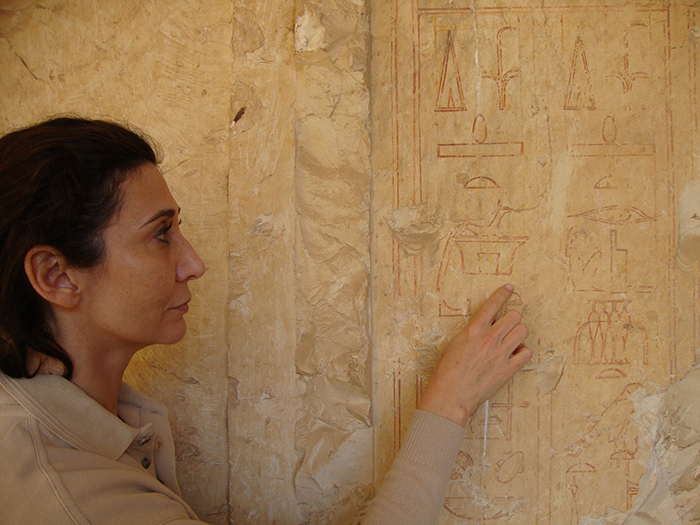
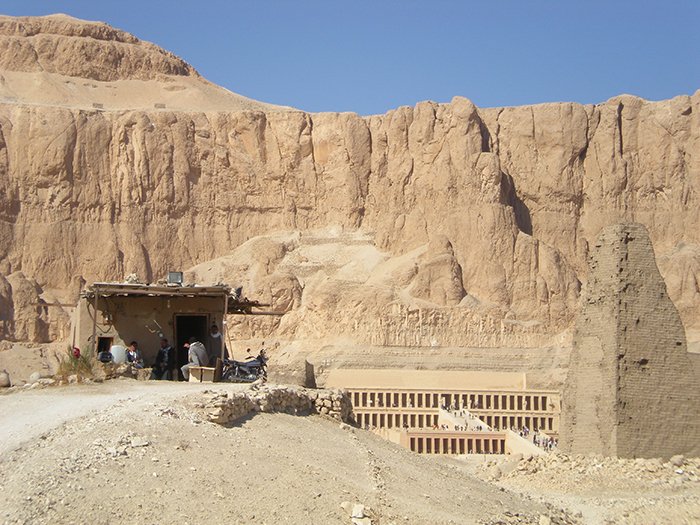
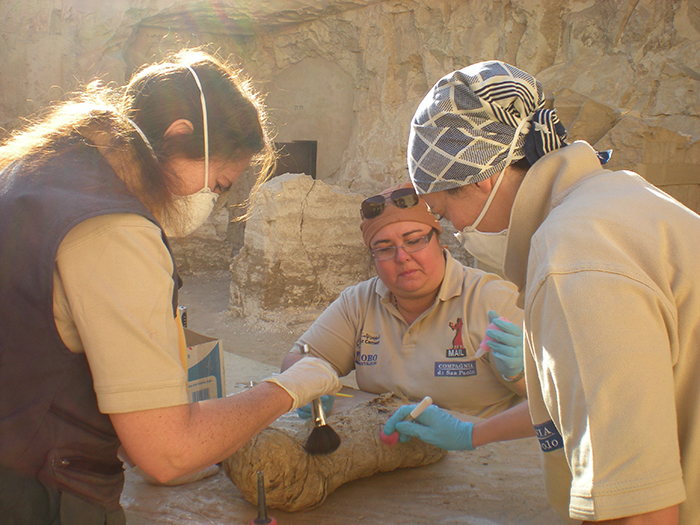
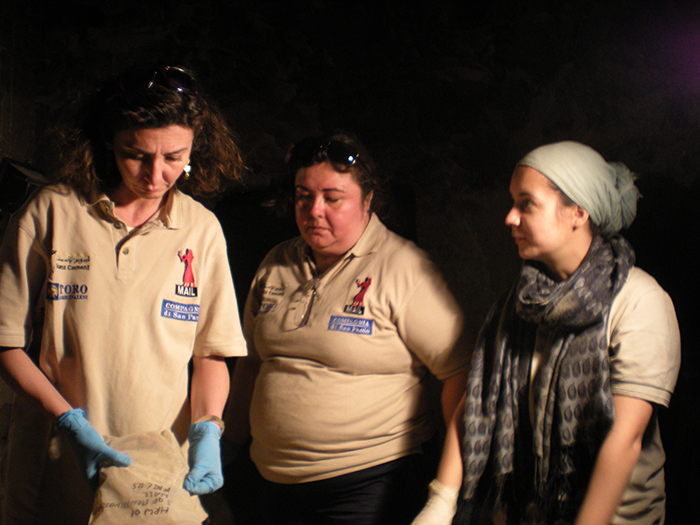
I collaborated with the Italian Archaeological Mission in Luxor (2012 and 2022), directed by the Egyptologist Francesco Tiradritti, who has been conducting excavations since 1995 at the Cenotaph of Harwa (TT37), located on the west bank of the Nile in the necropolis of El Assasif and dating to the 25th Dynasty. It is one of the largest and most complex funerary monuments of ancient Egypt. The mission’s objective is to bring the entire structure back to light and make it accessible to the public.
Harwa served as Chief steward of the God's Wife of Amun, Amenirdis I, and lived between the 8th and 7th centuries BC. He belonged to the clergy of the god Amun; however, the discovery of the ushabti figurines demonstrates that he actually held far more important positions than previously assumed. The tomb covers an area of approximately 4,500 square meters and consists of nine main architectural units, including porticoed entrances, courtyards, hypostyle halls, sanctuaries, and numerous funerary shafts. The structure alternates open and enclosed spaces, symbolically representing the passage between life and death.
The entire complex was conceived as an imitation of the tomb of Osiris, god of resurrection and of the Netherworld. Its decorations and inscriptions narrate the journey of humankind toward the Afterlife through the essential experience of death in order to be reborn. After scenes of daily life depicted in the first hypostyle hall, the deceased Harwa undergoes, in the second hypostyle hall, a special ritual intended to grant him renewed youth, prior to his final descent into the Underworld. His arrival in the



 Profilo professionaleRicerche e progettiPubblicazioniInsegnamento e formazioneMedia e divulgazioneGalleria visualeCollaborazioni e networkContatti e servizi